Sourcing notes
What cosplay buyers keep asking.
The recurring questions from cosplay communities — what a commission should cost, why wigs disappoint, how to inspect a prop sample, why reorders drift on size. Answered from the manufacturing side, without the sales gloss.
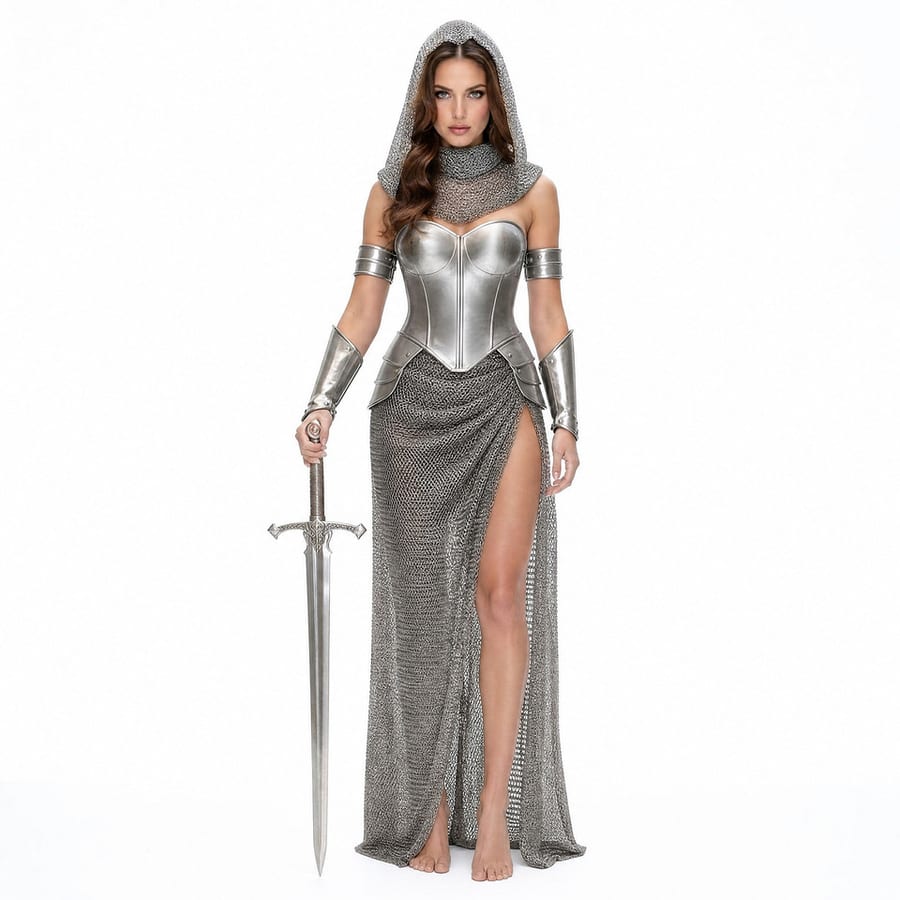
From Conflicting Measurements to a Sellable Cosplay Size Spec
When a buyer's waist, height and chest land in different rows, the answer is not to guess a letter size. This practical guide helps importers, retailers and event producers turn real fitting questions into a clearer costume specification for wholesale or OEM enquiries.
Read more →
How to Build a Size-Flexible Cosplay Accessory Range for Wholesale Buyers
For importers, retailers, event producers and online sellers, a balanced cosplay range is not only about character looks. Masks, wigs and headwear can help you build a more flexible buying plan before you commit to a full costume programme.
Read more →
Dog Halloween costumes: the three measurements that decide whether it sells
A pet costume is not a small human costume. It is sold on a photograph and worn by an animal that cannot read the label, so the return rate is decided by the specification rather than the design.
Read more →
Who owns the design when you commission it, and the artwork question buyers leave until last
Every custom order contains two assets that are easy to confuse: the thing that gets made, and the permission to sell it. What to settle in writing before anything is cut — and why a maker may decline the reference photo.
Read more →
When the goods arrive wrong: the claim, the remedy, and what the record decides
A claim is not won by being right. It is decided by the standard agreed before production and the record kept after delivery — and by asking for the remedy that is actually obtainable rather than the one that sounds fair.
Read more →
Safety labels and market compliance: the questions a supplier cannot answer for you
There is no such thing as a compliant product in the abstract. There is a product that is compliant for a market, sold through a channel, at an age grade.
Read more →
The sample round: what a prototype proves, and why the sample you approve is not the product
Approving a sample is not saying that it looks good. It is saying that this object is now the standard, and the bulk will be compared against it.
Read more →
Paying a new supplier: what the deposit buys, and how to structure the balance so a problem stays fixable
You are not being asked to trust a stranger. You are being asked to agree on a sequence, and the sequence is the part you control.
Read more →
Inspecting a cosplay order before it ships: sampling, measurements and what to do when it fails
Inspection is not distrust. It is the step that turns an argument about taste into a question of fact, and it only works if the terms were agreed before production started.
Read more →
Polybags, hangtags and barcodes: specifying retail-ready packaging for props and costumes
The supplier asking how you want the goods packed is not making small talk. Packaging is five specifications deep, and most first orders only write the first one down.
Read more →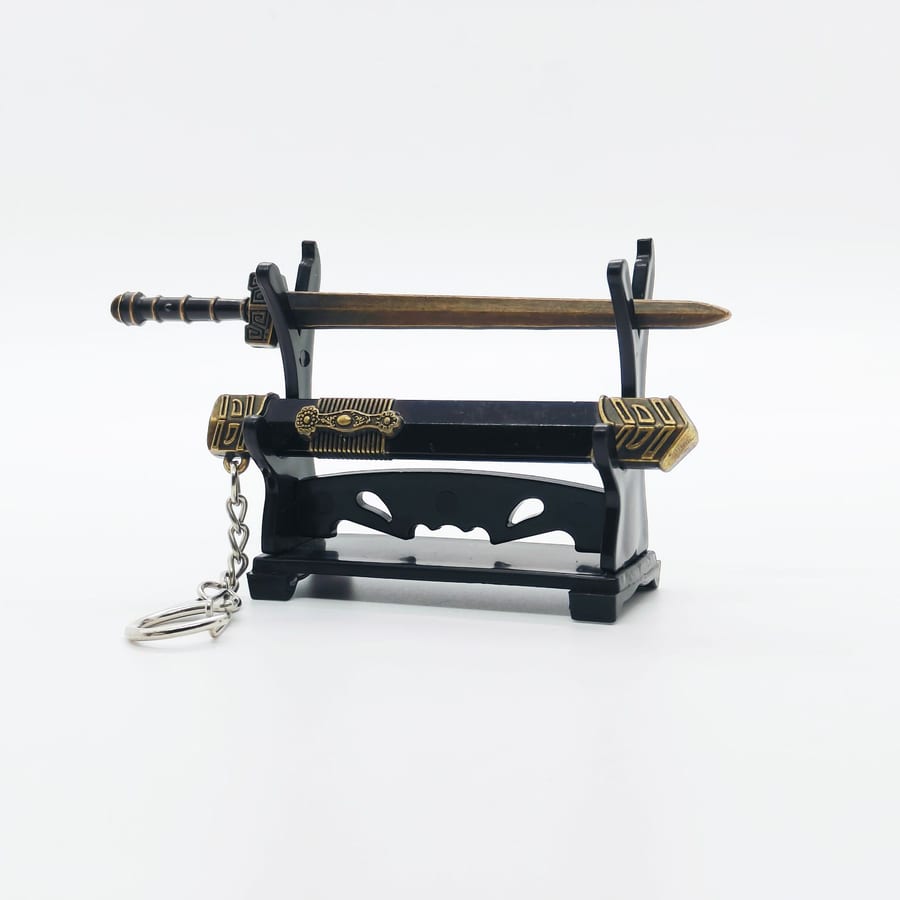
Landed cost: why the freight can cost more than the props — and how to order around it
Freight quotes that exceed the value of the goods are not a mistake, they are what low-value props look like when you price them on unit cost alone. The fix is four numbers most buyers never ask for.
Read more →MOQ: why a minimum exists — and how to get a small first run made
"How do I get the first order small?" is one of the most repeated questions in procurement threads. A minimum is a mechanism rather than a policy — and once you know which mechanism, most of them are softer than the listing suggests.
Read more →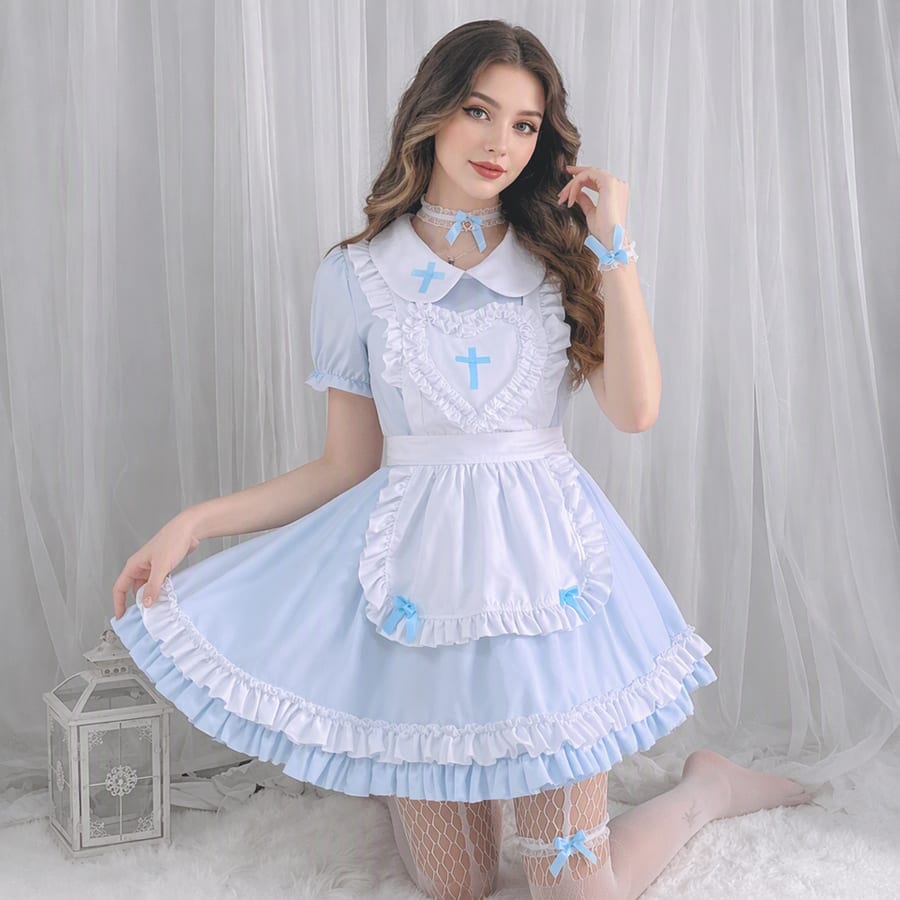
Shiny, thin or off-white: specifying cosplay fabric so the second order matches
"How do I make this cheap polyester look better" is one of the most repeated questions in cosplay communities. The answer is almost never a better supplier — it is a fabric specification with more than one word in it.
Read more →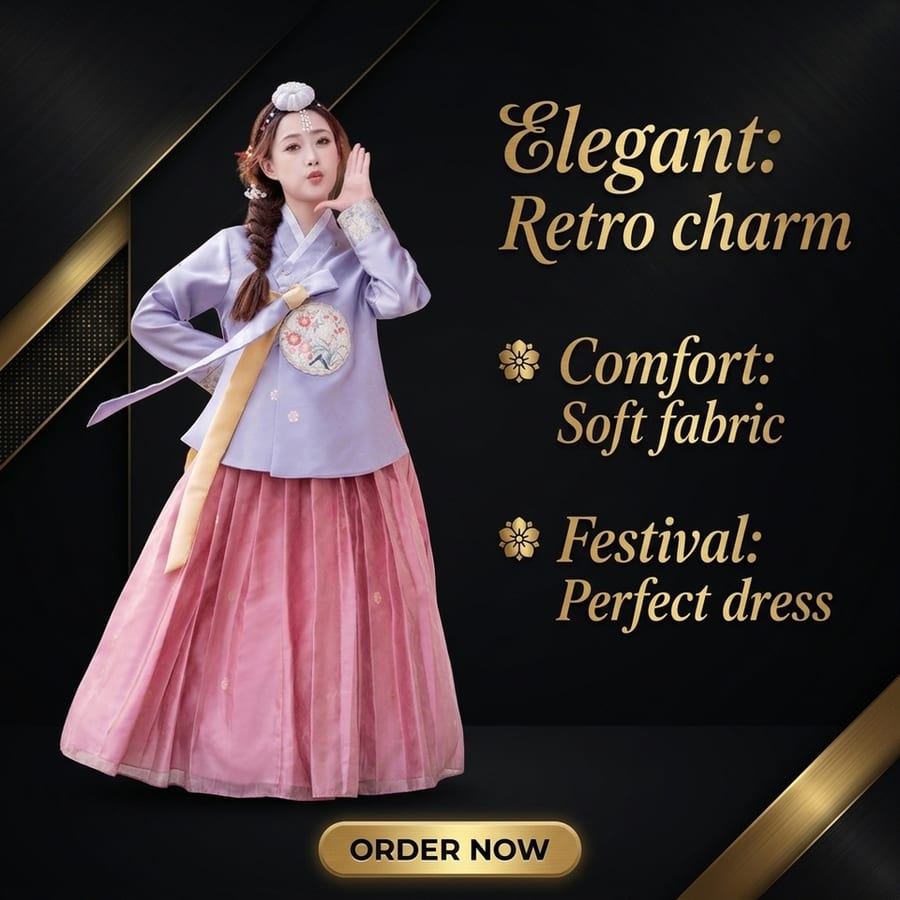
When to place a cosplay order: working backwards from your selling season
Nine-month waits and silent commission queues recur constantly in cosplay communities. For a retailer the fix is not patience — it is ordering on a calendar that respects the production season.
Read more →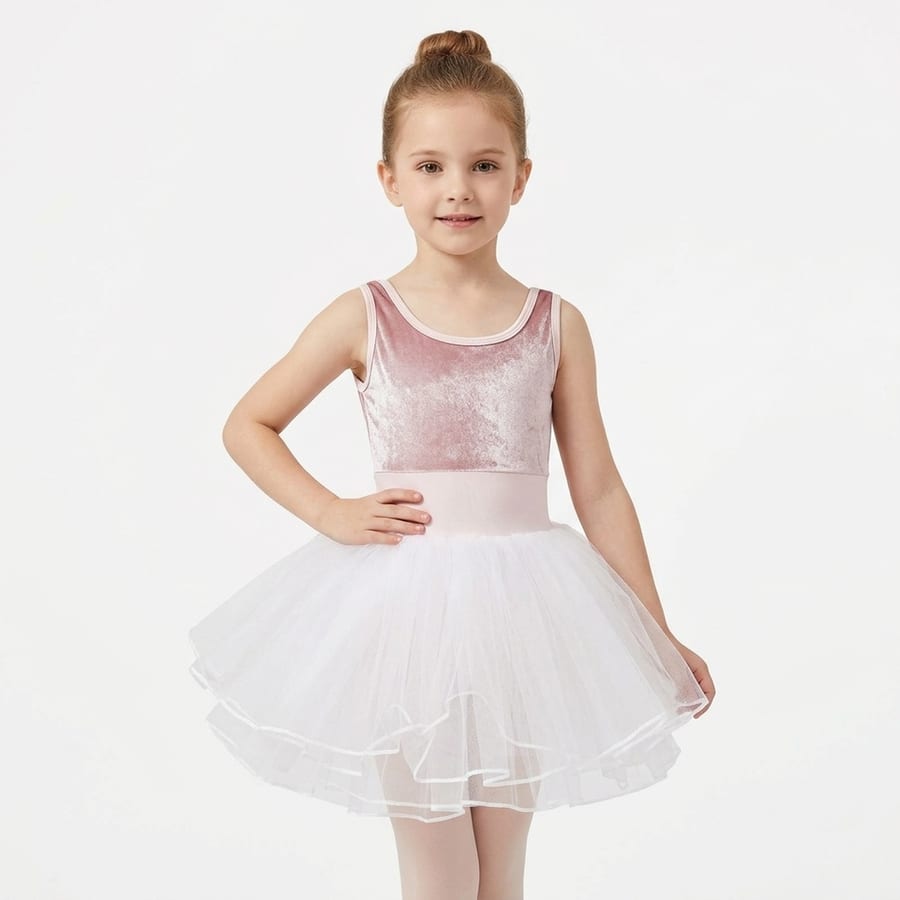
Custom sizing and grading: the quiet reason cosplay reorders fail
Communities are full of buyers who paid for "custom sizing" and received a standard size with a longer hem. For a retailer the same gap turns into returns — and the cause is a specification nobody wrote down.
Read more →Sourcing cosplay armour and props without getting burned
A prop or armour piece is the easiest thing to buy badly: it photographs well, arrives wrong, and the deposit is gone. Here is what to inspect before you release the balance.
Read more →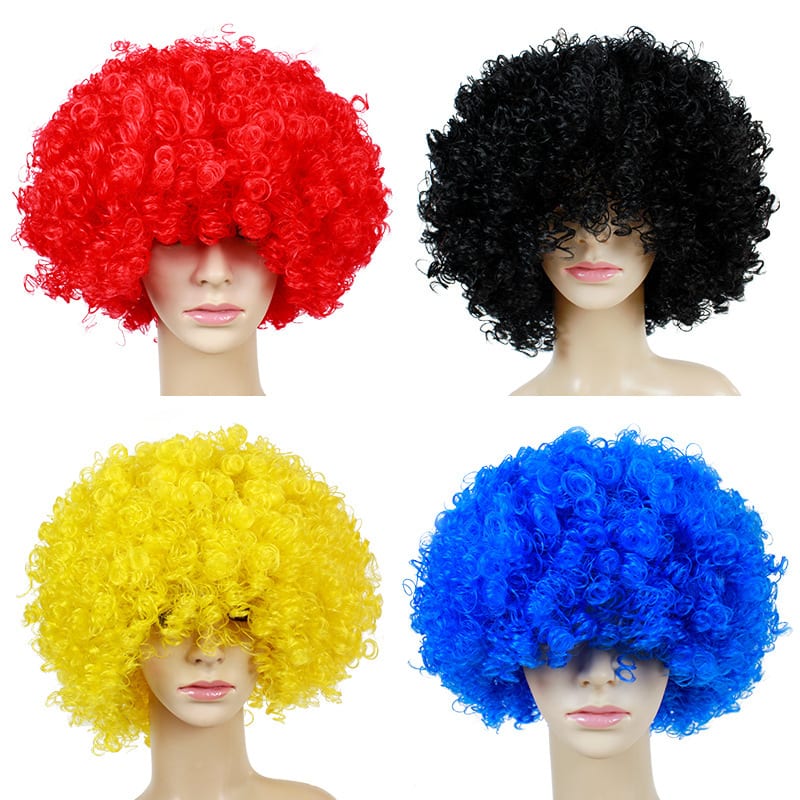
Why cheap cosplay wigs look like broom hair — and how to specify better ones
"Under $100 and it should not look like broom hair" is one of the most common wig requests in cosplay communities. The fibre is usually not the problem — density, cap construction and finishing decide how a wig actually reads.
Read more →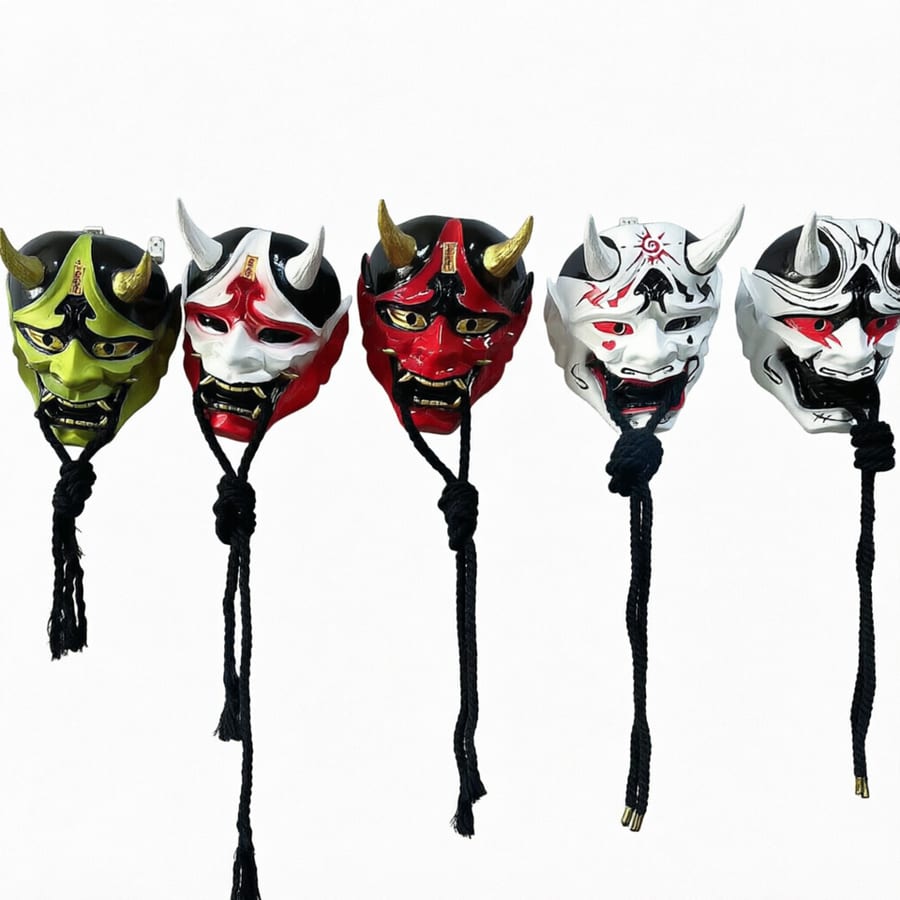
Where to commission a custom cosplay mask — and what it actually costs
Masks are the hardest piece in cosplay to source. Three routes exist, they cost wildly different amounts, and choosing the wrong one wastes either money or months.
Read more →Looking for pricing instead of reading?
Send your target styles and quantities — we come back with unit pricing, lead time and sampling options.