How to Write a Cosplay Material Brief That a Wholesale Supplier Can Actually Quote
A stronger material brief helps importers, retailers, event producers and online sellers compare samples, control repeat orders and turn a broad cosplay idea into a clearer wholesale, OEM or ODM enquiry.
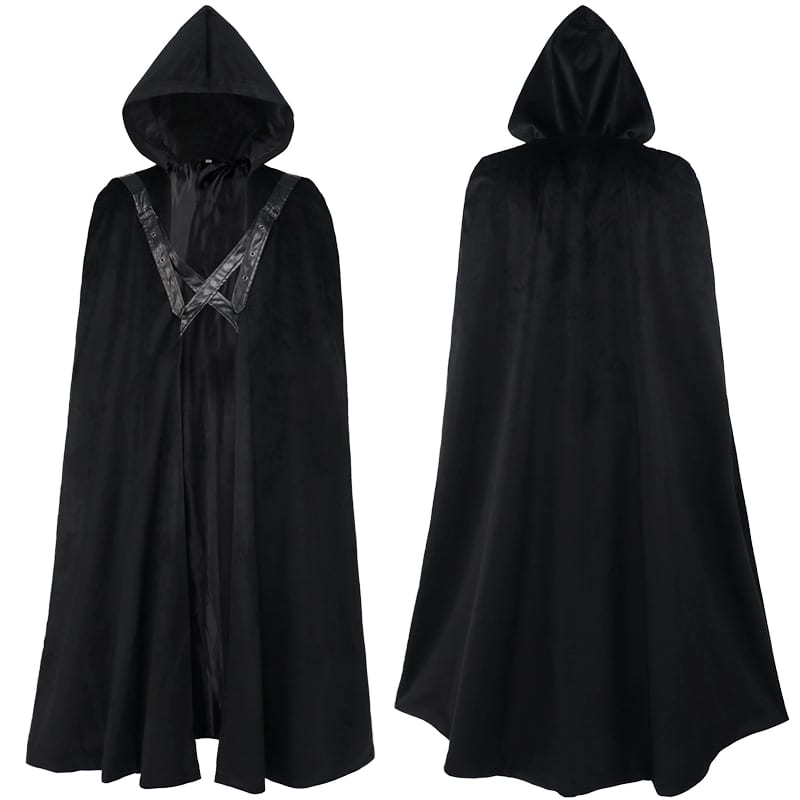
A product title such as "cosplay costume," "stage cloak" or "character wig" is useful for browsing, but it is not a material specification. When a buyer sends only a reference image, a supplier still has to guess the fabric family, surface finish, lining, stretch, structure, trims and intended use. That is how two samples can look similar in a photograph and behave very differently in a shop, at an event or in a reorder.
!Hooded medieval cloak reference for a stage and cosplay material brief
This guide is for party-goods importers, cosplay retailers, event and stage producers, and online sellers preparing a wholesale range. It shows how to turn a visual idea into a brief that can support an existing product review, an OEM development conversation or an ODM adaptation without promising commercial terms before the exact specification is confirmed.
Start with the use case, not the material name
The same silhouette may need a different construction depending on where it will be used. Begin the brief with the job the product must do.
- Retail costume: focus on presentation, repeatable sizing, packaging and the customer information needed for online sales.
- Party or event accessory: identify how the item will be worn, handled, stored and matched with other products.
- Stage or performance garment: note movement, base layers, quick changes, visibility and the expected duration of wear.
- Online seller range: define the image direction, size guidance, colour consistency and product combinations needed for a clear listing.
A supplier cannot choose the correct construction from a character reference alone. State whether the item is intended for display, occasional wear, repeated event use, resale or a mixed programme.
Replace adjectives with checkable details
Words such as "premium," "soft," "matte" and "heavy duty" can mean different things to different buyers. Keep the creative description, but add details that can be inspected on a sample.
For a garment, consider recording:
- Fibre composition or the material options to compare.
- Fabric weight or a target range where weight affects drape and opacity.
- Stretch direction and recovery where movement or close fit matters.
- Surface finish, such as matte, satin or textured, with a physical reference where possible.
- Lining, padding, interfacing and reinforcement requirements.
- Closure type, trim placement, seam finish and areas that need added support.
- Colour reference, finish reference and whether the shade must be checked against a physical swatch.
For a wig, mask or headwear item, the relevant details may be different. Record dimensions, adjustment points, cap or fastening construction, surface finish, lining or padding, visibility requirements and the parts that must remain comfortable during wear. For a rigid item, include the dimensions and edges that affect handling and storage.
The purpose is not to force every product into one technical template. It is to make sure each material choice has a reason that can be reviewed.
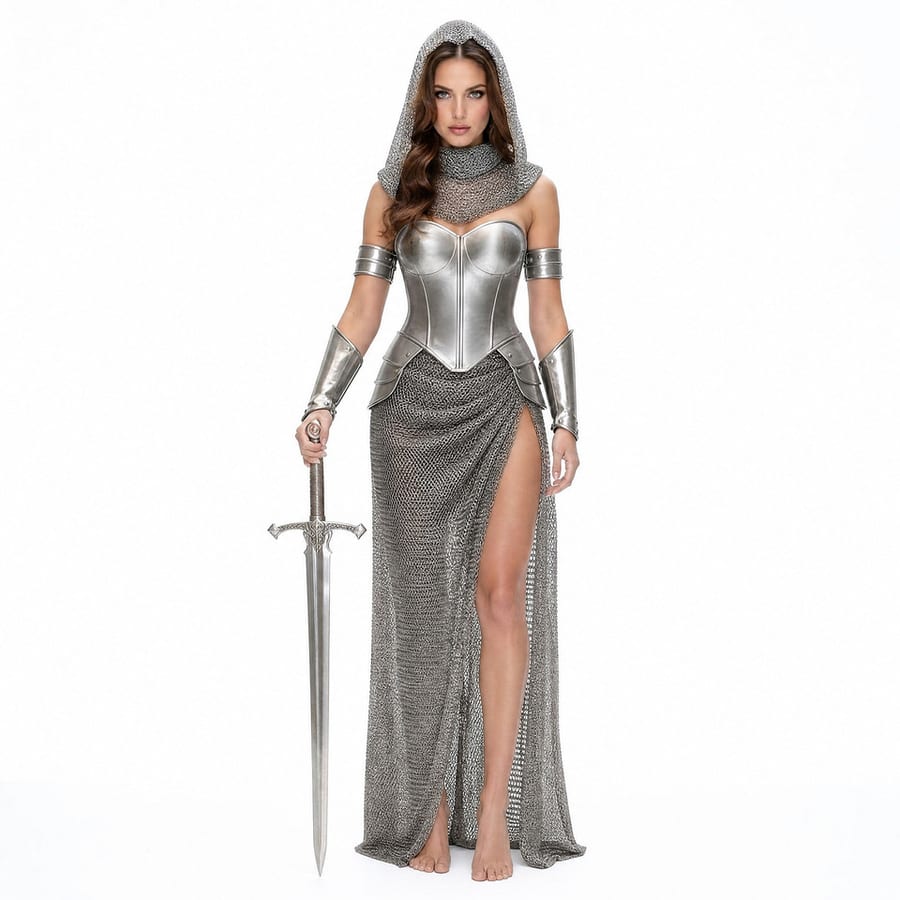
!Armor-style costume example for checking structure, trim and movement requirements
Use a reference pack instead of one image
One image usually shows the front view under one lighting setup. A useful material brief can include several kinds of reference:
- A main product image showing the overall silhouette.
- Close-ups of texture, trims, stitching, closures or surface finish.
- A colour reference that is separate from the mood image.
- Measurements or a simple sketch showing the points that control fit.
- Photos of the intended base layer or performance context when relevant.
- Packaging, label or display examples that the finished item must support.
Only send artwork and reference material that you have the right to use. If the request is inspired by a franchise or a third-party design, clarify the commercial rights before asking a supplier to develop it. A supplier can review a manufacturing brief, but it cannot grant rights that belong to someone else.
Separate sample decisions from bulk decisions
A sample should answer specific questions. It does not need to solve every commercial decision in one message.
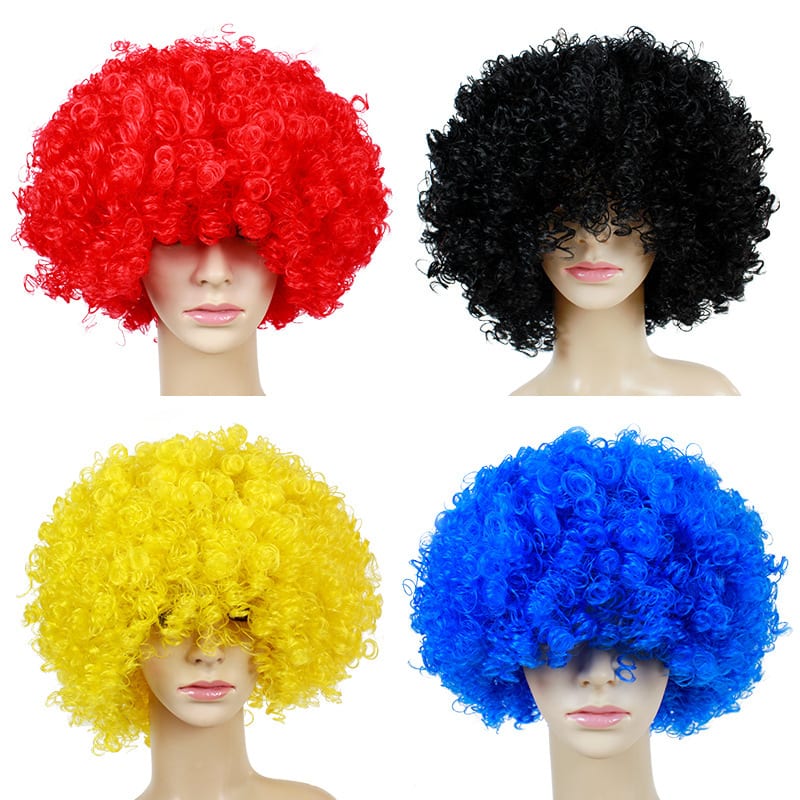
!Colourful wig reference for reviewing fibre, cap construction and finish
Before a sample is made, define what will be checked:
- Does the material create the intended drape, opacity, structure or surface effect?
- Does the item fit the intended measurements and base layer?
- Do the closures, trims and reinforcements work during the relevant movement?
- Does the colour match the approved physical or digital reference under agreed lighting?
- Can the product be packed, labelled and presented for the intended sales channel?
Keep a written record of the approved material, measurements, colour reference and changes. If the sample needs revision, list the corrections by location and function rather than relying on a general comment such as "make it better." A later reorder should refer back to the same approved information instead of reopening every decision.
Build a mixed range without losing consistency
Importers and retailers often combine costumes with masks, wigs, headwear, cloaks, armour-style outerwear or props. A mixed range can create more merchandising options, but it also creates more opportunities for materials and colours to drift apart.
!PVC masquerade mask reference for planning a coordinated accessory range

Group products by the visual or commercial story you want to sell. Then identify which details should be shared across the range:
- A colour family or finish direction.
- A packaging and labelling format.
- A common size or adjustment logic where appropriate.
- A consistent level of trim, lining or surface treatment.
- A clear distinction between display pieces and items intended for movement.
Hongbo Cosplay's catalogue includes masks and headwear, wigs, armor and outerwear, props and finished costumes. You can use those categories to prepare a shortlist, then send the product references together with the material and use notes. That gives a wholesale or OEM discussion a range context instead of treating every item as an isolated listing.
Ask questions that lead to an actionable quotation
A useful first enquiry should help the supplier identify what is known, what needs sampling and what still needs a decision. Include:
- Product category, reference images and intended market.
- Sales channel and intended use.
- Target measurements, size range or adjustment requirements.
- Material, colour, finish and construction preferences.
- Packaging, labelling and presentation requirements.
- Whether you are reviewing an existing style, an OEM development, an ODM adaptation or a mixed range.
- Which points must be confirmed by sample before commercial terms are finalised.
Do not publish or promise a price, MOQ, certification, customer result or delivery date until it has been confirmed for the exact item, market and specification. Ask for those details against the finished brief rather than treating a general catalogue statement as an order commitment.
Turn the brief into a wholesale conversation
The best material brief is not the longest one. It is the one that makes the next decision clear. Tell Hongbo Cosplay what you want to sell, who will use it, which material details matter and what must be proven by a sample. Include the product references you want to combine and the destination market where the range will be offered.
Hongbo Cosplay can then review whether the request is better suited to an existing catalogue item, a sample adjustment, an ODM adaptation or a broader OEM development discussion. Browse masks and headwear, wigs, armor and outerwear, and costumes while preparing your shortlist.
For supporting process notes, see cosplay fabric specification, the sample round and approval, and custom sizing and grading. When the brief is ready, send the requirements through the inquiry page or start with the custom and OEM service. Commercial terms, technical details and timing should be confirmed against the final approved brief before any order is placed.
Written from recurring community discussion themes — Hongbo Cosplay product catalogue — masks and headwear, wigs, armor and outerwear, props, and costumes (site-local basis) · B2B buyer brief patterns — material specification, sample approval, range planning, and OEM/ODM enquiry requirements (fallback basis; not a community-derived article). Topic cues only; every word here is original.
Need pricing for these styles?
Send quantities, sizes and your destination market — we reply with price, lead time and sample options.