How to Build a Size-Flexible Cosplay Accessory Range for Wholesale Buyers
For importers, retailers, event producers and online sellers, a balanced cosplay range is not only about character looks. Masks, wigs and headwear can help you build a more flexible buying plan before you commit to a full costume programme.
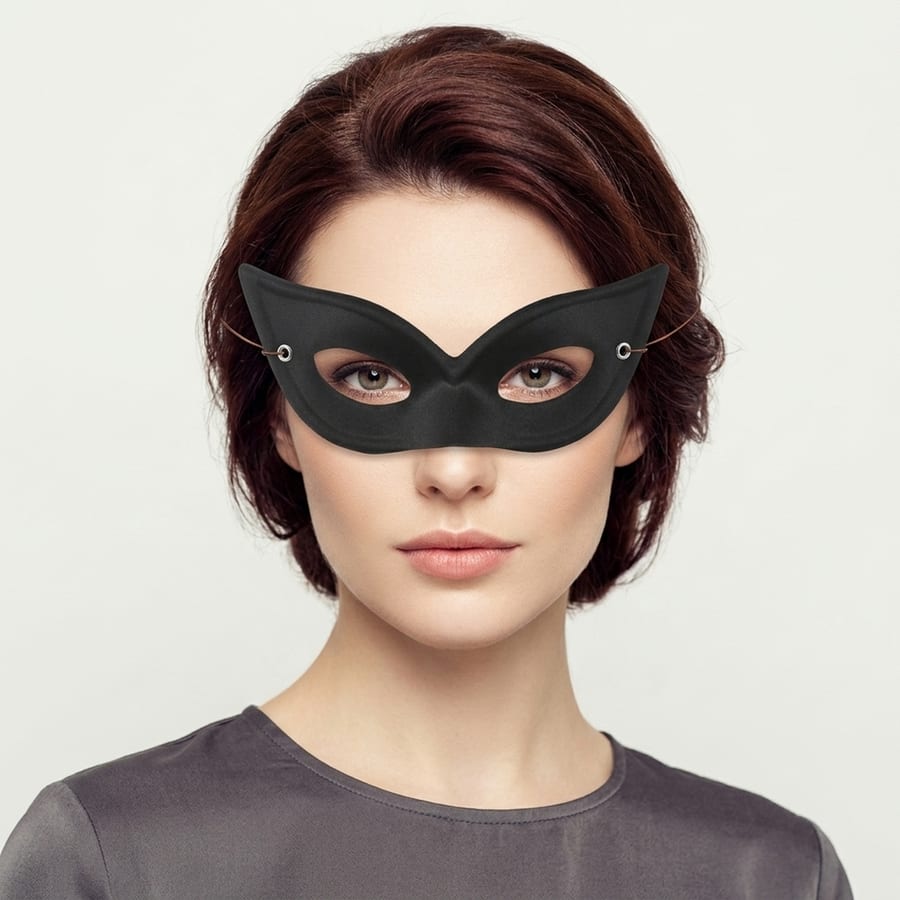
A cosplay range has to work twice: it must look distinctive enough to attract a buyer, and it must be practical enough for a retailer or event supplier to stock, present and reorder. For many importers, that means building around more than full costumes. Masks, wigs, headwear and outerwear can give a collection more styling options without asking every customer to make the same fit decision.
This guide is for party-goods importers, cosplay retailers, event and stage producers, and online sellers planning a wholesale range. The goal is not to replace finished costumes. It is to show how a more flexible product mix can make a buying brief clearer and create a better starting point for an OEM or ODM conversation.
Start with the role each product plays
Before choosing colours or character directions, assign a job to every product group.
- Masks and headwear create an immediate visual theme and can support party, carnival, Halloween and cosplay merchandising.
- Wigs complete a character direction while allowing the buyer to build coordinated looks around different garments.
- Capes, cloaks and armour-style outerwear add stage presence and can be presented with existing clothing or a finished costume.
- Complete costumes provide the strongest single-product story, but they also require a clearer size, fit and styling brief.
Hongbo Cosplay's current catalogue is organised across masks and headwear, wigs, armor and outerwear, props, and costumes. That makes it possible to discuss a range by use case rather than starting with one isolated SKU. Browse the masks and headwear range, wigs, armor and outerwear, and costumes when preparing a first shortlist.
Build a range around combinations, not isolated listings
A buyer rarely promotes a mask, a wig or a cape in a vacuum. The useful question is: what can be shown together in one product story?
For example, a retailer may group a PVC masquerade mask with a colourful wig for a party collection, or present a feathered mask beside a stage-ready hat and outerwear piece. An event producer may need a visual theme that can move between performers, presenters and audience participation. An online seller may need several entry points to the same theme so customers can choose a complete look or add one statement piece.
The combination should be defined in the brief. Include reference images, intended market, target customer, colour direction, product categories, packaging expectations and the sales channel. A supplier can then respond to a defined range instead of guessing from a product title.
Treat sizing as a merchandising decision
Size flexibility does not mean ignoring fit. It means deciding where fit risk belongs in the range.
Use measured size specifications for garments that need to sit correctly on the body. For masks, wigs and headwear, record the dimensions and adjustment details that affect wearability. For stage or event use, also identify whether the product must support movement, repeated handling, quick changes or long periods of wear.
For a resale programme, keep the distinction between custom sizing and a graded size set clear. Our note on custom sizing and grading explains why those are different production conversations. If you are comparing a first sample with a future reorder, keep the approved measurements and material references with the product record.
Plan the buying conversation before asking for a quote
A useful wholesale enquiry should help the supplier answer the real commercial questions without inventing details. Send:
- The product categories and estimated style count.
- The intended sales channel and destination market.
- Reference images or artwork that you have the right to use.
- Size, material, colour, finish and packaging requirements.
- Whether the request is for stock development, OEM, ODM or a mixed range.
- The date by which samples need to be reviewed, without assuming a production lead time.
Do not publish or promise a price, MOQ, certification, customer result or delivery date until it has been confirmed for the exact product and market. The same discipline applies to a sample round, packaging brief, and order schedule.
Turn the range into an actionable enquiry
A strong first message is specific enough to quote and open enough to improve. Tell Hongbo Cosplay who you sell to, which categories you want to combine, and what you already know about your market. Add the measurements, artwork and packaging notes that matter. We can then review the brief for wholesale, OEM or ODM suitability rather than replying to a vague request with a generic catalogue.
Send your range brief through the inquiry page, or start with the custom and OEM service if you are developing a new collection. Include the destination market and the products you want to evaluate; commercial terms, material details and timing should be confirmed against the final specification before any order is placed.
Written from recurring community discussion themes — Hongbo Cosplay product catalogue — masks and headwear, wigs, armor and outerwear, props, and costumes (site-local basis) · B2B buyer brief patterns — range planning, sizing, packaging, and OEM/ODM enquiry requirements (fallback basis; not a community-derived article). Topic cues only; every word here is original.
Need pricing for these styles?
Send quantities, sizes and your destination market — we reply with price, lead time and sample options.