Why cheap cosplay wigs look like broom hair — and how to specify better ones
"Under $100 and it should not look like broom hair" is one of the most common wig requests in cosplay communities. The fibre is usually not the problem — density, cap construction and finishing decide how a wig actually reads.
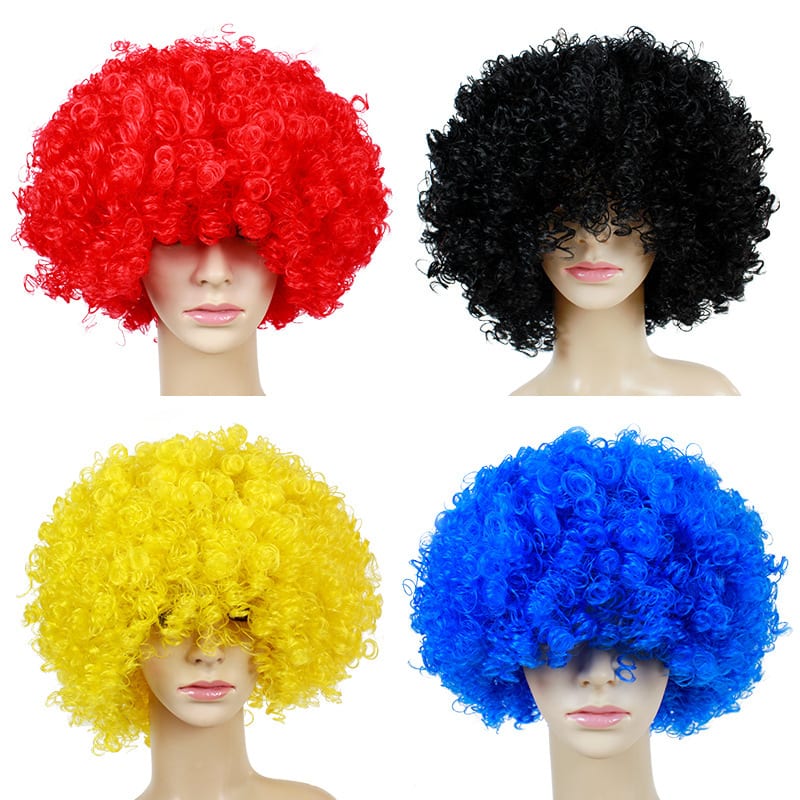
The single most repeated request in cosplay wig threads is a wig that is affordable and does not look like broom hair. It is a real problem, and it is usually misdiagnosed.
It is rarely just the fibre
Buyers assume the cheap wigs use bad fibre and the good brands use good fibre. In practice the fibre is the least variable component. Almost every cosplay wig on the market is a heat-resistant synthetic, and several of the "premium" brands run the same fibre as the budget ones.
What varies far more is everything around the fibre.
The five things that actually change how a wig reads
- Density. How much fibre goes into the same cap. A sparse wig shows the wefts and scalp through it, which is the single biggest contributor to the broom-hair impression. Density is also the easiest thing to under-specify and the easiest to quietly reduce.
- Cap construction. A large-cap with a proper stretch mesh and a real parting area behaves completely differently from a small solid cap. This is where fit complaints on short or large-head wearers originate.
- Lace front and parting. A lace front lets the hairline sit in front of your own. A hard front does not. Buyers often purchase a lace front expecting it and receive a hard front, because the listing used the terms loosely.
- Wefting and weft count. Machine-sewn wefts laid close together give volume; sparse wefts give gaps. Not usually published in listings.
- Finishing. Whether the fibre was washed and treated against tangling before packing. This is the difference between a wig that survives a convention weekend and one that frizzes in an afternoon.
A wig that photographs well on a head form can still be unsellable in the hand. Ask for a photograph of the inside of the cap, not another front shot.
What to put in a specification
If you are buying for resale, a listing title is not a specification. Ask for these, in writing, before you commit:
- Fibre type and the heat tolerance in °C
- Weight in grams, and cap circumference with a stretch range
- Parting type and parting width
- Whether the hairline is lace, hard front or none
- Length measured from crown, not from the top of the part (ask which — they differ)
- Whether the piece is pre-styled or requires heat work
A supplier who can quote against all six is a supplier you can reorder from and get the same product twice. That consistency is worth more than a few percent on the unit price, because inconsistent stock is what produces returns.
Why the well-known brands are always out of stock
The recommended brands in community threads are regularly sold out, and that is structural rather than a sign of trouble. A cosplay wig line is a long tail of specific character colours. Each colour has tooling, a minimum production run, and a shelf life of relevance tied to whatever property is popular that season. Brands carry the range; they cannot hold deep stock across all of it.
For a retailer the implication is straightforward: the colours that sell are exactly the colours that go short, and buying them from a brand at list price during peak season is the most expensive way to stock them. An OEM order placed on the production calendar is the alternative — see our note on order timing.
Written from recurring community discussion themes — r/CosplayHelp — "Where do I find good wigs for cheap?" · r/cosplayers — "Where can I buy good quality cheap wigs?" · r/CosplayHelp — "Best place for wigs?". Topic cues only; every word here is original.
Need pricing for these styles?
Send quantities, sizes and your destination market — we reply with price, lead time and sample options.